If you’re researching gastric balloon procedure Singapore options, you may be weighing several questions at once: how treatment works, whether it could suit your health needs, and what life around the procedure might involve. A gastric balloon is not a shortcut to confidence. It is one option within a broader medical weight-management plan.
A clinical assessment helps determine whether a balloon may be appropriate for your circumstances and goals. Preparation, follow-up and nutritional support are also important parts of the treatment pathway. Results and experiences vary, so it helps to understand the potential benefits and limitations before deciding.
This guide covers what to discuss during an assessment, what to ask about placement and aftercare, and how a gastric balloon compares with other weight-management options. It also explains how nutritional counselling and metabolic testing can support a broader plan. Use the questions and comparison points to prepare for a clinical discussion and set realistic expectations.
Key Takeaways
- A gastric balloon is one option within medically guided weight management, not a standalone solution or a shortcut to lasting change.
- Use your assessment to discuss suitability, preparation, aftercare and the follow-up pathway.
- Compare the gastric balloon with endoscopic sleeve gastroplasty, bariatric surgery and medical management by looking at treatment format and ongoing care.
- Suitability for a gastric balloon procedure singapore depends on an individual clinical assessment.
- Nutritional counselling and metabolic testing can support a broader approach to weight management and life after treatment.
Gastric Balloon in Singapore: What It Can and Cannot Do
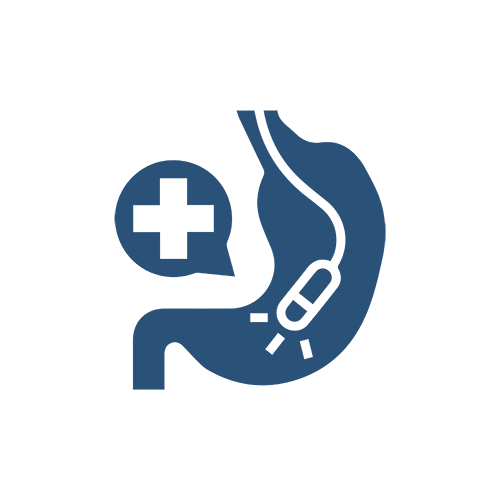
A gastric balloon is a temporary device placed inside the stomach as part of a medically guided weight-management plan. By taking up space, it may help a person feel full sooner and support changes to portion sizes and eating habits. Unlike weight-loss surgery, it does not involve surgically removing or reshaping the stomach. Placement methods and treatment pathways can vary by balloon type.
A gastric balloon procedure Singapore patients consider is one option among several, not a guarantee of a particular weight or outcome. It is intended to support broader changes, not replace nutrition guidance, follow-up or sustainable habits. A clinician can discuss how this approach relates to your health needs and goals. For a general overview of different types and uses, see this guide to the gastric balloon.
How a gastric balloon differs from weight-loss surgery
A balloon is intended as a temporary intervention, while bariatric surgery involves an operation that changes the stomach or digestive system. Balloon types also differ in how they are placed and managed, so one person’s experience may not match another’s. During an assessment, a clinician considers factors such as your overall health, weight-management history and goals before discussing an approach. The decision should reflect your circumstances, not just which option sounds less invasive.
What weight loss can, and cannot, mean for confidence
Physical changes and confidence do not necessarily develop together or follow a predictable timeline. Some people may notice changes in how they move or manage daily routines. Others may need time to adjust to changes in their body or expectations. Weight loss cannot guarantee a particular emotional outcome, and a person’s worth is not measured by body size or a number on the scale.
It can help to define progress in more than one way with your clinical team. You might discuss how consistently you are following agreed eating habits, how comfortable you feel with daily movement, or whether health measures identified during care are changing. These are personal reference points, not promises of specific results.
Before deciding, consider what you hope treatment will support and what guidance would help you feel prepared. Nutritional counselling and metabolic testing can contribute to a broader medical weight-management plan. Follow-up also gives you a chance to discuss progress and receive clinical guidance as your needs change. A realistic plan makes room for physical health, practical routines and confidence to develop at an individual pace.
What happens during a gastric balloon procedure: assessment, placement, and follow-up
The pathway generally includes a consultation and suitability assessment, procedure planning, placement, and follow-up tailored to the balloon type and your needs. The steps are not identical for every device or patient. When discussing a gastric balloon procedure Singapore patients may choose, the treating team should explain the proposed approach and what it means for preparation, aftercare and any later device management.
What the clinical assessment should help establish
The consultation is a chance to discuss your health and reasons for considering treatment. Your clinician may ask about your medical history, current health concerns, previous weight-management approaches and the goals you hope to work towards. Share relevant details openly, including medicines you take and concerns that could affect treatment planning.
The assessment helps the clinician consider whether a balloon fits your circumstances or whether another form of medical weight management may be more appropriate. Interest in treatment alone does not establish suitability. Your health, goals and ability to follow the recommended care plan all inform the discussion. Ask how the proposed approach could support your goals, what its limitations are, and which alternatives may be relevant to your situation.
What to understand about placement and aftercare
Placement describes how the balloon is introduced and positioned. The method depends on the device selected. Because protocols can differ, a general description is not a precise account of your procedure. Ask the treating team to explain the planned technique, what to expect on the day, and how the balloon will be managed or removed, if applicable.
Preparation instructions are individualised. Follow the guidance you receive rather than relying on another person’s experience or general online advice. Raise anything unclear with the team before the procedure. Useful questions include:
- What preparation instructions apply to my planned procedure?
- What should I expect during the initial recovery period, and whom should I contact if I’m concerned?
- What follow-up is planned, and how will the team review my progress?
- What is the plan for managing the balloon at the end of treatment?
Recovery experiences vary, so avoid assuming a particular symptom pattern or return-to-routine date. The aftercare guidance should explain how to follow your plan and where to seek advice about concerns. Keep the instructions accessible, and consider arranging practical support in advance if your treating team recommends it.
Follow-up is part of the treatment pathway. It provides an opportunity to discuss how you are adapting, raise questions and receive guidance for the next stage of care. At Digestive Centre, gastric balloon treatment is part of a broader medical weight-management service. A clinical assessment can help you discuss whether this option fits your circumstances. Learn about gastric balloon treatment.
Gastric balloon versus other weight-loss options: how to compare your choices
Weight-management options differ in how treatment is delivered, how invasive it is and what ongoing care may involve. A gastric balloon procedure Singapore patients consider is one possibility; endoscopic sleeve gastroplasty (ESG), bariatric surgery and medical management are others. No single approach suits everyone or guarantees a particular result. Use this overview to prepare for a clinician-led discussion, not to decide your suitability on your own.
| Option | Invasiveness and format | Assessment and follow-up |
|---|---|---|
| Gastric balloon | A temporary device-based treatment; placement and management vary by balloon type. | Clinical assessment helps determine suitability and guide the care plan. Follow-up supports monitoring and ongoing weight management. |
| Endoscopic sleeve gastroplasty | An endoscopic procedure to reduce the stomach’s capacity without conventional surgical incisions. | Assessment considers health, goals and procedural suitability. Follow-up forms part of the treatment plan. |
| Bariatric surgery | Surgical approaches alter the stomach or digestive system; the operation depends on the procedure selected. | A clinician assesses individual health factors and discusses the relevant surgical approach and continuing care. |
| Medical management | A non-procedural plan that may involve lifestyle support, nutritional counselling and clinician-directed medication where appropriate. | Assessment and follow-up help tailor care and review progress over time. |
Which factors can shape an individual treatment discussion?
Your health history, weight-management goals and preferences all matter, but preference alone does not establish clinical suitability. A clinician considers relevant health factors and the potential benefits and limitations of each approach before recommending a plan. You may prefer a non-surgical option, for example, while your medical circumstances lead to a different discussion. The aim is an informed decision that balances your priorities with safety and clinical judgement.
For a closer look at how ESG compares with surgery, explore this ESG and gastric sleeve comparison. It can help you prepare focused questions about treatment format and follow-up for your consultation.
Why weight-management needs can be different for each person
Weight management can involve more than eating patterns and activity. Metabolic and hormonal factors may contribute to a person’s broader clinical picture, so care should reflect individual needs rather than follow a one-size-fits-all template. Digestive Centre’s broader approach includes metabolic testing and nutritional counselling. For related context, read this PMOS and weight-loss guide.

How to prepare for life with a gastric balloon and build confidence after weight loss
Preparation involves more than the procedure itself. A clear care plan, practical support and realistic expectations can make daily adjustments easier. Before treatment, make sure you understand your treating team’s instructions, know how follow-up will work and have a way to raise concerns. Experiences with a gastric balloon procedure in Singapore differ, so use clinical guidance rather than someone else’s recovery story as your reference point.
Set realistic markers for progress
Weight is one measure, but it does not capture every meaningful change. With your care team, consider what you would like to notice in everyday life, such as feeling more comfortable with routine activities or finding it easier to follow agreed habits. Clinical measures can add useful context. Progress may fluctuate, so review changes over time with your team rather than judging success by a single weigh-in.
- Agree with your team which health measures are relevant to your care.
- Notice changes in routines, energy or comfort that matter to you.
- Bring questions or concerns about progress to follow-up appointments.
Confidence can grow gradually and may not change at the same pace as your body. You do not need to reach a particular weight to deserve respect or feel proud of your effort. If changes in appearance or expectations bring up difficult emotions, tell your care team. Emotional wellbeing is a valid part of the conversation, not a measure of whether you are succeeding.
Create a supportive routine around treatment
Follow the personalised nutrition, preparation and aftercare instructions provided by your treating team. Avoid assumptions about what you should eat or how quickly to resume usual activities. Guidance should reflect your care plan. You may also find it useful to plan practical support, such as arranging transport if advised, keeping appointment details accessible or letting someone you trust know how they can help.
- Keep your team’s instructions and follow-up details in one place.
- Plan around appointments and any changes to your usual routine.
- Ask for clarification if advice is difficult to follow in daily life.
Some days may feel harder than others. Missing a routine or seeing a discouraging change on the scale is not proof of personal failure. Pause, identify what is making the plan difficult and discuss useful adjustments with your care team. Consistent support can help make the approach more workable without expecting perfection.
Digestive Centre’s medical weight-management care includes gastric balloon treatment, nutritional counselling and metabolic testing. Explore Digestive Centre’s weight-management care to learn about a clinically guided approach that considers more than weight alone.
Discussing a gastric balloon procedure with Digestive Centre
A gastric balloon may be considered as one option within a broader medical weight-management plan. At Digestive Centre, this care also includes nutritional counselling and metabolic testing to support a personalised discussion about weight-management needs. The practice is led by Senior Consultant Surgeon Dr. Shanker Pasupathy.
Information about the gastric balloon procedure Singapore patients may be considering is a starting point, not a substitute for individual clinical assessment. A discussion with the clinic can help clarify how your health history, goals and concerns relate to available treatment approaches. Use the conversation to understand what the procedure involves and what support may be relevant to your care.
What a first discussion can help you understand
Bring the questions that matter to you. You might describe previous weight-management approaches, health concerns, what you hope to change and any worries about placement, recovery or maintaining progress. This context helps the clinician understand your circumstances and discuss whether a gastric balloon or another approach may be appropriate. An assessment supports informed decision-making, but it does not guarantee suitability, a particular result, cost or treatment timeline.
Writing down questions in advance can help you make the most of the discussion. Consider asking:
- How will my health history and goals inform the suitability discussion?
- What procedure details and aftercare instructions apply to the approach being considered?
- What follow-up and wider weight-management support may form part of the plan?
- What costs should I understand before making a decision?
These questions can help clarify the decision ahead, even if you need time to think it over. Be open about practical or emotional concerns too. For example, you may want to discuss how treatment could fit around everyday responsibilities or what support could help you follow the recommended care plan.
Take a considered next step
Seeking information does not commit you to having a procedure. It gives you an opportunity to understand the options and weigh them against your needs. A considered decision should cover individual suitability, the proposed procedure and its details, the support available, and how follow-up will be planned. If you are unsure, use the discussion to identify what you still need to understand before deciding.
Digestive Centre’s broader medical weight-management service brings gastric balloon treatment together with nutritional counselling and metabolic testing. These elements support a more complete conversation about your goals and the clinical factors that may shape your care. The next step can simply be a discussion, without pressure to choose a particular treatment.
Contact Digestive Centre to discuss your weight-management goals and clinical suitability for a gastric balloon.
Take the Next Step at Your Own Pace
Considering gastric balloon procedure singapore options can bring up practical questions and personal hopes. Before making a decision, consider what you want support with, which concerns you would like addressed and what lasting progress would mean in everyday life. You do not need to have every answer prepared. An open conversation can help clarify your priorities and the considerations that matter for your circumstances.
You can also take time to reflect after receiving clinical guidance. A thoughtful decision should feel informed, not rushed. Ask questions if any part of the proposed approach is unclear. Your next step may simply be learning more about what fits your health needs and goals.
Discuss your weight-management goals with Digestive Centre and explore whether a gastric balloon may be appropriate for you.
Frequently Asked Questions
What is a gastric balloon procedure?
A gastric balloon procedure is a weight-management treatment in which a balloon is placed in the stomach. The placement method and device management vary, so the treating team should explain the specific approach being considered. A clinical assessment helps establish whether it may suit your health and goals and what effects may be realistic. The procedure does not guarantee weight loss, and experiences differ between individuals.
Who may be suitable for a gastric balloon in Singapore?
Suitability depends on your health history, weight-management goals and a clinician’s assessment, rather than on one factor alone. When discussing gastric balloon procedure singapore options, share relevant health conditions, medicines, previous approaches and concerns about treatment. This helps the clinician consider whether a balloon or another form of weight management may fit your circumstances. It is not suitable for everyone, and a discussion does not commit you to treatment.
How is a gastric balloon placed?
The placement process depends on the balloon device and the treating team’s protocol. Before proceeding, ask how the planned device is placed and managed, what preparation instructions apply and what follow-up is expected. Do not use someone else’s account as a guide to your own experience. Your treating team should provide individual preparation and aftercare advice, including whom to contact if questions or concerns arise during recovery.
Is a gastric balloon the same as weight-loss surgery?
No. A gastric balloon and bariatric surgery are different categories of weight-management treatment, though the precise approach varies by device or operation. Neither is universally better for every person. A clinician considers your health, goals and circumstances when discussing which options may be appropriate. Ask how each approach differs in treatment format, planning and follow-up before deciding whether to proceed.
How long does a gastric balloon stay in place?
How long a balloon remains in place depends on the specific device and your treatment plan, so one timeframe does not apply to every balloon. Your treating team can explain the planned duration for the device being considered and how removal or other end-of-treatment management will be arranged. Ask how follow-up is coordinated and what instructions you will need to follow as that stage approaches.
What happens after a gastric balloon is removed?
Removal does not replace ongoing weight-management support. Your clinical team can guide follow-up and help you plan how to continue the habits and care strategies discussed during treatment. Nutritional counselling may support practical decisions about eating patterns as your needs change. Weight changes after removal cannot be predicted for an individual, so discuss concerns or difficulties early rather than assuming progress will continue automatically.
How can I feel more confident after weight loss?
Build confidence around personally meaningful changes, not just a number on the scale. You might notice that a daily activity feels easier or that you are maintaining a routine that supports your wellbeing. Adjustment can take time, and each person’s experience is different. Your self-worth does not depend on weight or appearance. If changes bring up difficult feelings, tell your treating team so emotional wellbeing can be part of the conversation.