
A clean colonoscopy depends on more than the procedure itself. The importance of a clean colonoscopy prep lies in visibility: leftover stool and food can make it harder for the endoscopist to see the colon walls, while thorough cleansing improves the chance of identifying and removing polyps. Bowel preparation empties and cleans the large intestine so it can be examined clearly.
It’s understandable to find the preparation challenging, especially when you’re managing a special diet and a large volume of solution. The schedule usually begins 1 to 2 days before the procedure, depending on the type of preparation recommended, so following your personalised instructions matters. This guide explains how to plan the diet and timing, what signs suggest the prep is complete, and practical ways to make the solution easier to drink. You’ll also learn why clear visibility supports more effective polyp detection and what to do if the preparation doesn’t go as expected.
Key Takeaways
- Plan your diet and preparation schedule around the instructions for your specific colonoscopy prep.
- Tell your care team about your medical conditions and current medicines so they can guide preparation safely.
- A thoroughly cleaned colon gives the endoscopist a clearer view to identify and remove polyps.
- Find practical ways to make the solution easier to drink while following its mixing and timing instructions.
Planning and starting bowel preparation early
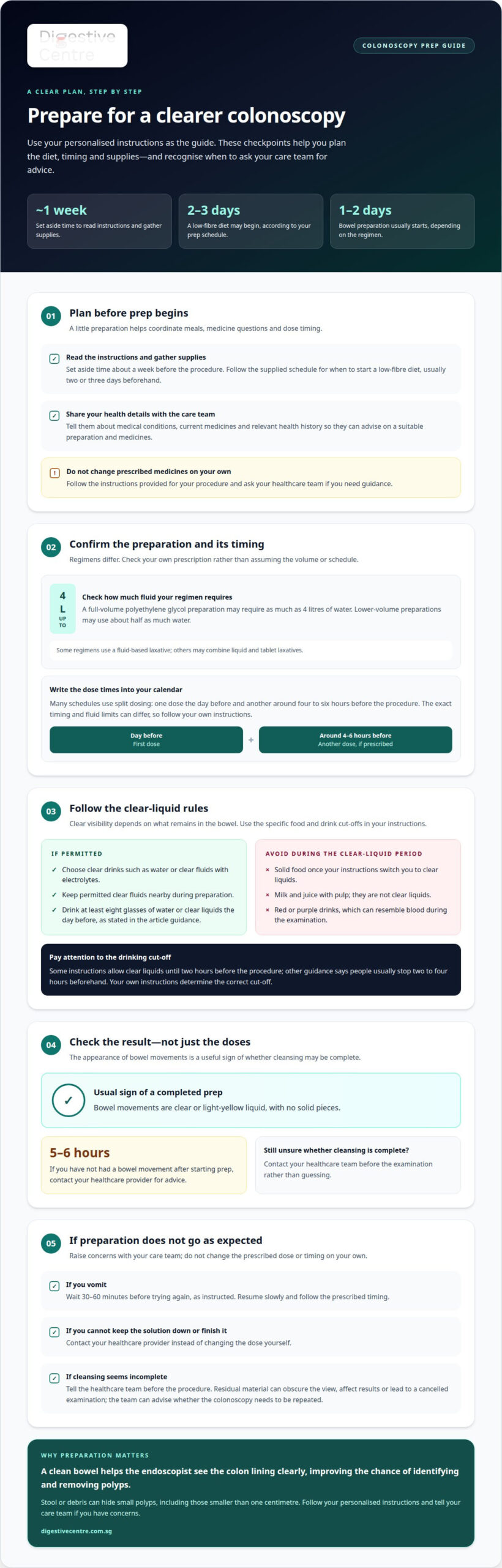
- Set aside time about a week before the procedure to read the instructions and gather supplies. Begin a low-fibre diet two or three days beforehand, following the schedule provided for your preparation. Planning early helps you coordinate meals, preparation timing and any medicines you take.
- Tell your healthcare team about your medical conditions, medicines and relevant health history. This information helps them choose a suitable bowel preparation and advise you about your medicines. Don’t stop or change prescribed medication on your own; follow the instructions provided for your procedure.
- Check which preparation type you’ve been prescribed and how much fluid it requires. Some regimens use a fluid-based laxative, while others may combine liquid and tablet laxatives. A full-volume polyethylene glycol preparation may require as much as 4 litres of water; lower-volume preparations may use about half as much water.
- Write the dose times into your calendar. Preparation usually starts 1 to 2 days before a colonoscopy, depending on the recommended regimen. Many schedules use split dosing, with one dose the day before and another around four to six hours before the procedure. Follow your own instructions, since timing and fluid limits can differ.
- Assess your progress by the result, not just the number of doses you have taken. By the end of preparation, bowel movements should be clear or light-yellow liquid, without solid pieces. If you haven’t had a bowel movement five to six hours after starting, contact your healthcare provider for advice.
A clean bowel helps the endoscopist see the colon lining clearly and improves the chance of detecting and removing polyps. Because colonoscopy can identify and remove polyps that may develop into colon cancer, completing the preparation as directed supports a more informative examination.
How clean preparation improves polyp detection and removal
- The importance of a clean colonoscopy prep becomes clear when the endoscopist examines the colon lining. Stool or debris can hide small polyps, and inadequate preparation significantly decreases the detection of polyps smaller than one centimetre. This can make colorectal cancer screening less effective.
- If you haven’t completed the preparation, tell your healthcare team before the procedure. Residual material can obscure the view, contribute to inaccurate results or lead to a cancelled examination. The team can advise you on what to do next, including whether the colonoscopy needs to be repeated.
- If you vomit during preparation, wait 30-60 minutes before trying again, as instructed. Resume slowly and follow the prescribed timing. If you can’t keep the solution down or finish it, contact your healthcare provider rather than changing the dose yourself.
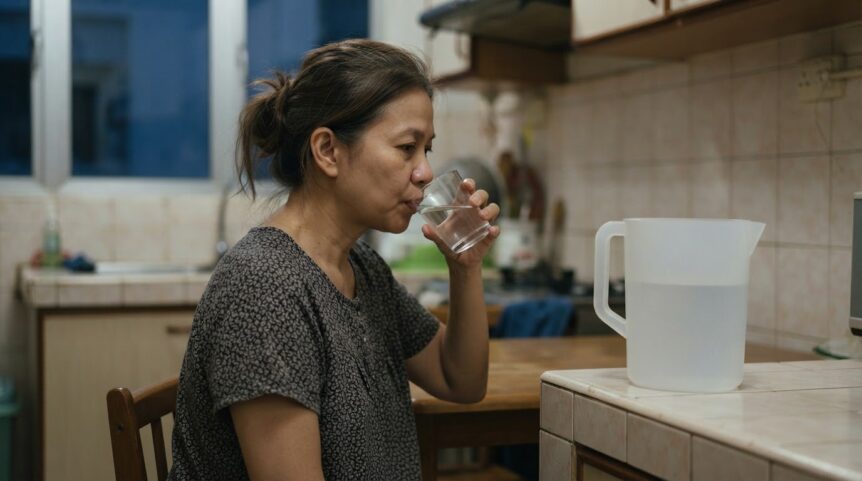
- Make preparation more manageable by staying near a washroom and taking small, steady sips at the instructed pace. Keep permitted clear fluids nearby, and avoid solid food after starting bowel preparation. Red or purple drinks can resemble blood during the examination, so choose other permitted clear liquids.
- Contact your healthcare team if bowel movements haven’t started five to six hours after beginning prep, or if you’re unsure whether cleansing is complete. Clear, light-yellow liquid without solid pieces is a usual sign. Understanding the importance of a clean colonoscopy prep helps explain why unresolved concerns should be raised before the examination. For guidance about the procedure, explore colonoscopy care.
Why a clean colon matters for clear visibility
- Follow the clear-liquid instructions for the day before your colonoscopy. A clear view lets the endoscopist examine the colon walls without leftover stool or food in the way. This visibility supports a more reliable assessment for polyps and other findings during colorectal cancer screening.
- Choose genuinely clear drinks, such as water or clear fluids with electrolytes, if your instructions permit them. These fluids help maintain hydration during bowel preparation. Milk and juice with pulp aren’t clear liquids, so avoid them during the preparation period.
- Avoid red or purple drinks during preparation. Their colouring can resemble blood inside the colon, making it harder to interpret what the endoscopist sees. Check each drink’s colour and contents before pouring it, and choose an allowed clear liquid instead.
- On the day of the colonoscopy, continue drinking clear liquids only if your preparation instructions allow them. The cut-off time matters: instructions may allow clear liquids until two hours before the procedure, but directions can differ. Follow the specific timing provided for your examination.
- Don’t eat solid food once your instructions switch you to a clear-liquid diet. Remaining stool or food material can make it difficult for the endoscopist to see the colon lining clearly. Inadequate cleansing can lead to inaccurate results or a cancelled examination, which may mean rescheduling.
The day before the procedure, consume only clear liquids and drink at least eight glasses of water or clear liquids. Lingering stool and food material can make it harder for the doctor to see the colon walls clearly, so follow the preparation directions carefully.
On the day of the colonoscopy, consume clear liquids only. People usually stop drinking clear liquids two to four hours before a colonoscopy. Avoid red or purple sports drinks during preparation; their colour can look like blood in the colon.
Ways to make prep solution easier to drink
- Prepare the laxative exactly as directed, then chill it if the instructions allow. A cold drink may be easier to sip than one at room temperature. Don’t add juice, flavouring or other ingredients unless your preparation instructions permit them, as changes can affect how you take the solution.
- Drink the prescribed amount in steady sips at the stated pace instead of trying to finish it all at once. Use a cup with clear volume markings to track your progress. If the taste is difficult, ask your doctor or care team about permitted ways to make it easier to drink; don’t alter the dose or timing.
- Plan meals before the clear-liquid diet begins. During the low-fibre phase, follow the food list provided and avoid high-fibre choices such as vegetables with skins, seeds or stalks when instructed. Once the clear-liquid stage starts, solid foods are no longer suitable. Having permitted drinks ready can make the transition easier.
- Choose only clear liquids listed in your instructions. Water and clear fluids with electrolytes may help maintain hydration during bowel preparation. Avoid milk, juice with pulp, and red or purple drinks. Their colour can resemble blood during colonoscopy, while opaque drinks aren’t clear liquids.
- Mark the times to stop eating and drinking on your schedule. Your instructions may allow clear liquids until two hours before the procedure, then require nothing by mouth. Follow your doctor’s directions, since the preparation plan and procedure timing determine the exact cut-off. Keeping to these limits supports safe screening and helps prevent cancellation.
For support with colonoscopy preparation and screening, book a colonoscopy appointment.
Digestive Centre: Gastroscopy and colonoscopy
Digestive Centre provides gastroscopy and colonoscopy for people who need an examination of the digestive tract. If a colonoscopy has been recommended, discuss your preparation plan and any concerns before the procedure. Share relevant medical conditions, current medicines and any difficulty completing bowel preparation so these factors can be considered when planning the examination. Your preparation instructions guide your diet, solution and timing, while your individual medical needs can affect the advice you receive.
Ask questions about the examination, including what to do if the solution is difficult to drink or your bowel movements remain unclear. Understanding the steps ahead can help you follow the preparation plan and respond if difficulties arise. To discuss gastroscopy or colonoscopy, contact Digestive Centre.
Take the next step with confidence
Recognising the importance of a clean colonoscopy prep means giving the preparation as much attention as the examination itself. Before your appointment, note any instructions you find difficult to follow and questions about your circumstances. Clear communication can help you understand the plan and what to do if a problem arises.
If you’re arranging a colonoscopy or want to discuss whether an examination is appropriate, speak with a digestive health professional. You can raise your concerns, clarify the next steps and make decisions with a better understanding of the process. You don’t have to manage unanswered questions alone.
Contact Digestive Centre to discuss your colonoscopy care and take a considered next step toward your digestive health.
Frequently Asked Questions
What Is Colonoscopy Prep?
Colonoscopy prep is the preparation plan followed before the examination, not the examination itself. It covers the diet, bowel-cleansing solution and timing needed to empty the colon. Your specific plan depends on the preparation prescribed, so follow the written instructions for your appointment. This information is general only, not medical advice, and not a substitute for a consultation with a qualified doctor.
What is bowel preparation?
Bowel preparation is the cleansing process that empties the large intestine before colonoscopy. A laxative is commonly used to soften stool and encourage bowel movements, helping clear material from the colon. It involves more than simply eating less: the prescribed solution and schedule are part of the process. Follow the directions provided for your examination rather than adapting another person’s regimen.
Can I drink anything other than water while I’m prepping for the colonoscopy?
Permitted clear liquids may include options besides water, such as clear fluids containing electrolytes. The exact choices depend on your preparation instructions and where you are in the schedule. Don’t assume a drink is suitable just because it looks transparent; check its ingredients and follow the list you were given. If the instructions don’t address a specific drink, ask your care team.
Can I take other medications before the procedure?
Tell your care team about every medicine you take, including prescriptions, over-the-counter products, vitamins and herbal remedies. Some may need specific instructions before the examination, while others may be taken as usual. Don’t stop, delay or change a dose on your own. If you take a blood thinner or a medicine that affects blood sugar, mention it early so your team can advise you for your situation.
How do you prepare for the procedure?
Start by reading the instructions from your endoscopy team and noting each diet change, solution dose and cut-off time. Gather the prescribed preparation supplies and plan meals around the recommended low-fibre period. Tell your team about health conditions and medicines before beginning. If your appointment details and written directions seem inconsistent, contact the team for clarification rather than combining schedules from different sources.
How will I know if the prep is working?
As bowel movements continue, look for liquid output that becomes clear or light yellow, without solid pieces. This is a practical sign that cleansing is progressing, but the endoscopist assesses whether the colon is adequately prepared during the examination. If the output remains cloudy or contains solids near the end of your schedule, contact your care team for advice instead of taking extra laxative.
Medical disclaimer. This guide is general health information from Digestive Centre and is not a substitute for a consultation. Symptoms and treatment options differ from person to person. For advice about your own condition, book a consultation with the clinic. In an emergency, call 995.

































